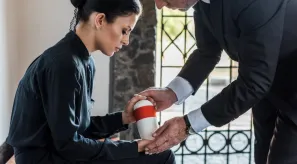
Losing a loved one is one of the most difficult experiences we can face in life. During this process, it is common to go through a series of complex and often contradictory emotions, known as the stages of grief. If you have ever lost someone close to you, or are supporting someone going through this difficult time, understanding these stages can be very helpful. In this article, we will explore what the stages of grief are, how long they typically last, and how to cope with them in a healthy way.
What are the five stages of grief following death?
The five stages of grief, proposed by psychologist Elisabeth Kübler-Ross in her book On Death and Dying (1969), have become a widely recognised model for describing how people process the death of a loved one. It is important to remember that not everyone goes through all of these stages, nor in a specific order. Some may skip stages or experience several of them simultaneously.
Denial
The first stage of grief is denial, a defence mechanism that helps the person face the reality of their loss gradually. During this phase, the person may feel numb or unable to accept that their loved one has died. "This can't be happening," are common thoughts. Denial is natural and can last anywhere from a few hours to several days.
Anger
The next stage is anger, where the person may feel frustration and helplessness about what has happened. Anger may be directed at oneself, others, or even the deceased loved one. "Why is this happening to me?", "Why wasn't more done to save them?" are common questions in this phase. Anger can be a way of channeling the deep pain of loss.
Bargaining
Bargaining is the third stage, when people try to make internal agreements with the idea of death. They may think about what they could have done to prevent the death or make promises of change, hoping that somehow their loved one might return. "If only I had done this..." or "I promise to be better if this changes" are common thoughts in this stage.
Depression
The fourth stage is depression, where deep sadness and hopelessness take over the person. At this point, the impact of the loss is felt most intensely. The person may experience deep sadness, constant crying, and a sense of emptiness. This stage is especially difficult, but it is also a fundamental part of the grieving process, as it allows the person to begin accepting the reality of the loss.
Acceptance
Finally, acceptance is the stage where the person begins to find peace with the loss. The person accepts the reality and irreversibility of death and begins to reorganise their life without their loved one. It is a phase of reconciliation with the new reality, although this does not mean that the pain has disappeared completely.
How long do the stages of grief last?
There is no defined timeframe for the stages of grief, as each person experiences them uniquely. However, experts suggest that grief can last from a few months to several years, depending on the intensity of the relationship with the deceased and the circumstances of the death.
For example, studies indicate that the stages of grief following death can last from six months to two years, although some people may experience a longer process. However, time is not the only important factor: what matters most is how the person feels and processes each stage.
How to cope with the stages of grief?
Coping with grief is not an easy or quick process, but there are strategies that can help people manage this painful journey.
Seek support from friends and family
Having the support of loved ones is crucial to overcoming grief. Talking about the loss and sharing memories can be a way to heal and process emotions.
Relaxation techniques
Stress and anxiety are common during grief. Techniques such as meditation, yoga, and deep breathing can help reduce emotional and physical tension during this process.
Self-care
It is essential to take care of oneself during grief. Ensuring adequate rest, eating well, and staying physically active can help maintain emotional balance during this difficult time.
Seek professional help if necessary
In some cases, grief may become pathological and last longer than expected. If emotions become overwhelming, it can be helpful to seek help from a therapist specialised in grief. Professional support can facilitate healing.
Additionally, it is important to remember that each grief process is unique. The time required to heal depends on the individual, and the key is to have the right support and utilise tools that help overcome this painful experience.
For more information about books that can help you process grief, you can read this article on the best books about grief.
Frequently Asked Questions about the Stages of Grief
Is it mandatory to go through all the stages of grief?
No, not everyone goes through all the stages of grief. Some people may experience one or two stages intensely, while others may skip some phases or experience others. Grief is a unique process for each individual.
What happens if I get stuck in one stage of grief?
It is possible for some people to get stuck in one stage of grief, especially if they do not seek the appropriate support. If someone feels that they cannot move past one stage or is struggling with grief for an extended period, it may be helpful to consult a mental health professional.